Equipo Inmoba – 10 de agosto de 2026
1.Foreign Buying Is Cooling Off Everywhere Except Here
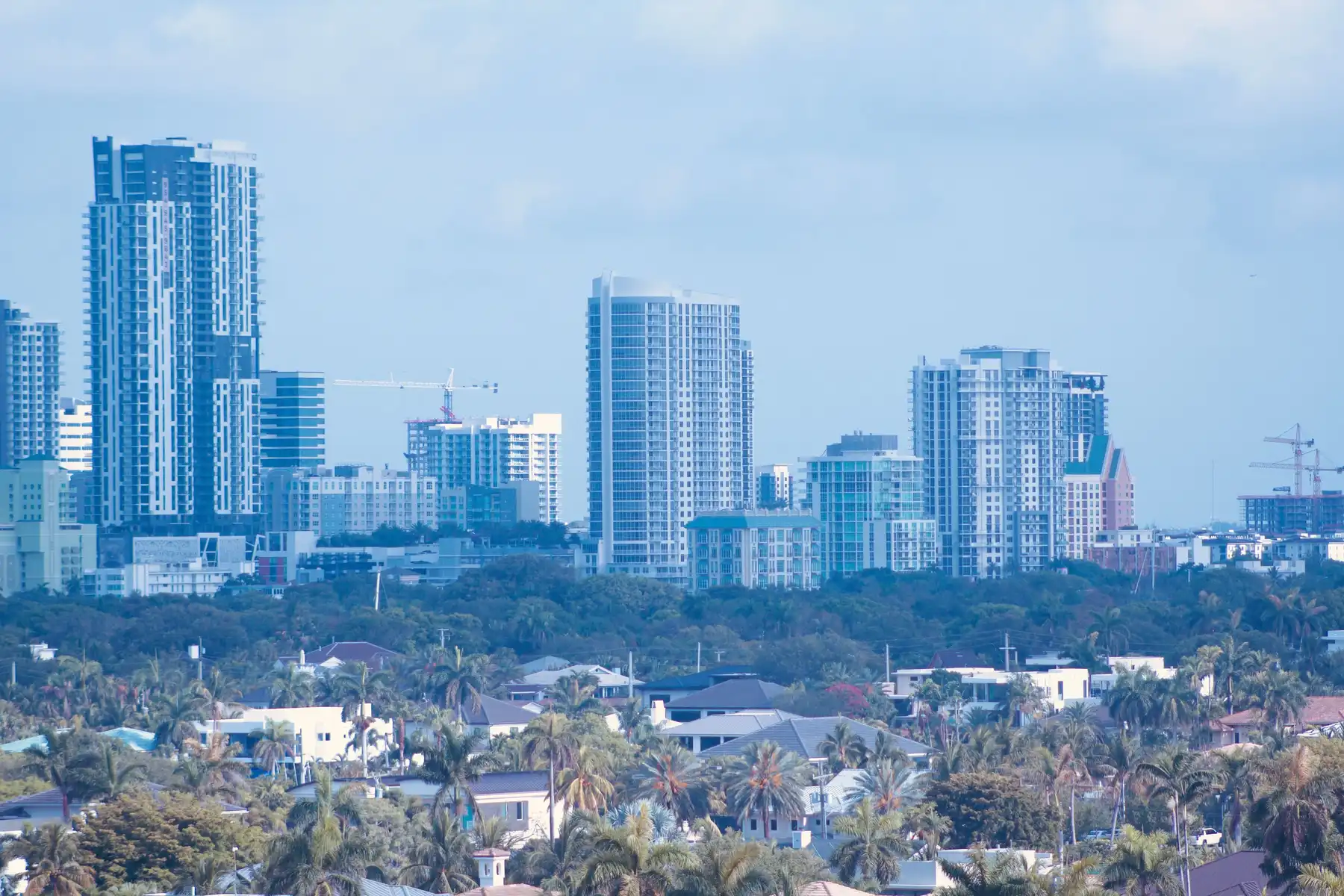
Foreign buyers purchased $45.3 billion worth of U.S. existing homes between April 2025 and March 2026, according to the National Association of REALTORS® International Transactions report. That's down close to 20% in dollar volume and about 14% in the number of homes purchased -- roughly 67,000 properties nationwide, the second-lowest count since NAR started tracking this in 2009. If you only read the headline, the story is: foreigners are pulling back from U.S. real estate.
That headline doesn't hold up in Florida. Florida remains the single most popular state for foreign buyers, drawing about 20% of them nationwide, and MIAMI REALTORS® named Miami the #1 U.S. market for international home buyers again in its 2026 International Report. Latin American buyers specifically account for roughly 86% of foreign transactions in South Florida. The national pool got smaller; the Latin American share of what's left in South Florida got bigger.
- National foreign home buying: -20% in dollar volume, -14% in transaction count (April 2025-March 2026, NAR).
- Florida: still the #1 destination, drawing ~20% of all foreign buyers nationwide.
- Latin American buyers: ~86% of foreign transactions in South Florida.
- Colombia: the single largest foreign-buyer country in Miami, with roughly a 15% share of the foreign-buyer market and the #1 spot in Broward County specifically.
- Colombian dollar volume in Florida jumped to $925 million, up from $307 million the year before -- close to a 3x increase in a single year, per reporting that cites NAR figures.
Translate this into a decision: if you're a Colombian or Latin American buyer waiting for U.S. real estate demand to soften so competition eases, that's not what's happening in South Florida. The pool of buyers you're competing against from other regions is shrinking, but the pool from your own region is growing -- meaning the properties Latin American buyers actually want (new-construction condos, cash-friendly closings) are seeing more competition from peers, not less.
2.What Our Own Data Shows: Miami vs. Orlando
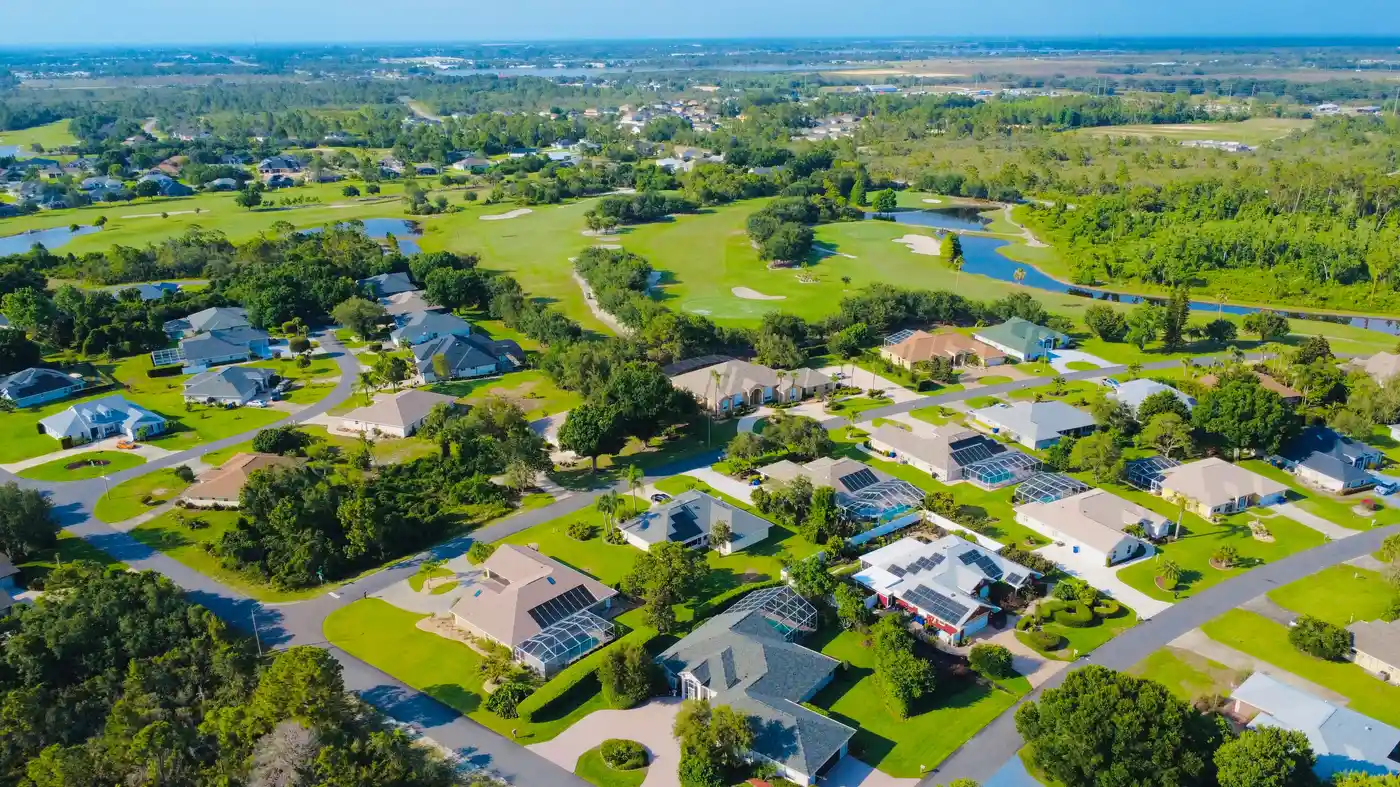
Public metro-level data already shows a gap between these two markets -- Orlando's metro median home price sits around $390,000 in early 2026, versus roughly $640,000 in Miami. But that's the resale market, blending everything from decades-old houses to brand-new towers. We track something narrower and more useful for an investor deciding where to put new money: active pre-construction and new-development projects, city by city, with real starting prices. Here's what our own tracked inventory shows across 93 active Florida projects as of this week.
Two things jump out. First, the price gap in new construction is even wider than the resale-market gap -- Miami's median new project starts at over 3x Orlando's. Second, Orlando's projects run bigger on average (462 units vs. 199), which usually means larger rental-focused communities rather than boutique towers. These aren't just two cities with different price tags -- they're two different products aimed at two different kinds of buyer.
One Orlando project we track, Millenia Park Orlando, starts at $275,000 -- less than an eighth of the median new-construction starting price in Miami. On the other end, The Perigon Miami Beach starts at $4,250,000, well above even Miami's own median -- a reminder that "Miami" itself spans a huge internal range, not just a single price point. Browse the full, current list on our Florida projects page.
3.Translating the Gap Into an Actual Decision

Don't ask "which city is better." Ask what your budget actually buys in each one, and what you need the property to do for you.
If your plan is short-term or vacation rental income near theme parks and conventions, Orlando's larger, rental-oriented developments are built for exactly that -- it's a management-heavy, occupancy-driven play. If your plan is capital preservation in a globally recognized city with strong resale liquidity, Miami is where the depth of demand (including from other Latin American buyers) actually is -- but you're paying a real premium for that liquidity and prestige, not just for square footage.
Exit strategy matters here too, and it's the part most comparisons skip. A Miami unit competes for resale attention against a much deeper, more international buyer pool -- the same 86% Latin American concentration in foreign transactions that pushes prices up when you buy is the same depth of demand that can help you sell when you're ready to. An Orlando unit competes in a shallower, more domestically-driven resale market; you're more dependent on the specific community's rental performance and less on the city's global brand. Neither is wrong, but if reselling to another international buyer in five to seven years is part of your plan, that's a point in Miami's favor that the sticker price alone doesn't capture.
4.What 6.69% Actually Costs You in Each City
Most coverage of mortgage rates stops at the headline number. The number that actually matters is what it does to your monthly payment -- and that number looks completely different in Orlando than in Miami, even before you account for the price gap itself. Freddie Mac's Primary Mortgage Market Survey put the 30-year fixed rate at 6.69% for the week of August 6, 2026, essentially flat versus a year earlier (6.63%). Financing cost itself has barely moved in the last twelve months -- the real swing factor in your monthly payment is which city you buy in, not when you lock your rate.
That's principal and interest only, calculated on a standard 30-year amortization -- it doesn't include property tax, HOA, or insurance, which run meaningfully higher in Miami condos than in most Orlando communities (more on that below). The gap between $1,418 and $6,317 a month is the real, concrete version of "Miami costs more" -- not a vague sense that one city is pricier, but the actual number you'd need to clear every month before the property produces a dollar of income.
If you're financing instead of paying cash: most Latin American buyers close in the U.S. through an ITIN rather than an SSN. The mechanics of qualifying don't change between Orlando and Miami -- what changes is the loan size, and therefore the reserves a lender will want to see in the bank. If that's part of your plan, read our breakdowns of how to buy a house with an ITIN and no SSN and ITIN vs. SSN differences for buying a house before you start comparing cities.
5.The Ongoing Costs Nobody Mentions in the Listing
The purchase price is the easy part to compare. The ongoing cost of owning a Miami condo versus an Orlando property is where a lot of foreign buyers get surprised after closing, and it's almost never in the marketing material for either city.
Miami condos carry Florida's post-2022 condo reform package in full: mandatory milestone inspections and Structural Integrity Reserve Studies (SIRS) for older buildings, HOA reserve funding requirements that are pushing toward 15% of the association's annual budget, and insurance costs that have climbed as carriers demand proof of that compliance before they'll even bind or renew a master policy. We covered the latest round of related lending changes -- including the elimination of the Fannie Mae/Freddie Mac "Limited Review" shortcut for condo loans -- in our breakdown of what changed for Miami condo financing on August 3, 2026. None of this is unique to foreign buyers, but it disproportionately affects exactly the kind of pre-construction Miami condo this article is comparing against Orlando -- budget for it, don't discover it at closing.
Orlando's new communities carry their own version of this in HOA dues tied to shared amenities (resort-style pools, clubhouses, sometimes on-site rental management for vacation-rental-zoned communities), but they're rarely dealing with the same milestone-inspection and reserve-study cost wave that's specific to Florida's aging condo-tower stock -- most of what's in our Orlando tracking is newer construction, which simply hasn't accumulated the deferred-maintenance problem yet. That's a real advantage for Orlando today. It is not a permanent one; every building ages.
6.Frequently Asked Questions
Is Miami or Orlando better for a foreign investor? Neither is universally "better" -- Miami offers deeper resale liquidity and prestige at a much higher entry price; Orlando offers a lower entry price and a rental-income-oriented product built around tourism, at the cost of Miami's brand recognition and resale depth.
Why are so many Colombians buying in Florida right now? Florida is the top U.S. destination for foreign buyers overall, and Colombia specifically is the single largest foreign-buyer country in the Miami market, with roughly a 15% share and the top spot in Broward County. Reported Colombian dollar volume in Florida roughly tripled year over year, according to figures that cite NAR data.
Do I need an ITIN to buy property in Florida as a Colombian? You need either an ITIN or SSN to close most conventional U.S. mortgages, but an all-cash purchase does not require either -- it requires proof of funds and standard closing documentation. See our ITIN vs. SSN comparison for how this plays out in practice.
Why does Miami cost so much more than Orlando for basically the same idea (a new condo)? Part of it is land and construction cost, but a real part of it is ongoing risk: Miami's aging condo stock triggered stricter state-mandated inspection and reserve rules after 2022, and lenders and insurers price that risk into the whole market, new construction included. Orlando's newer stock hasn't hit that cost wave yet.
Is the U.S. foreign buyer market shrinking? Nationally, yes -- foreign buyers purchased about 20% less in dollar volume over the last reporting year. But that decline is not evenly spread: Florida, and Miami specifically, are seeing sustained or growing demand from Latin American buyers even as the national total falls.
What's the cheapest way into new-construction Florida real estate as a Latin buyer? Based on the projects we track, Orlando is the more accessible entry point today, with active new developments starting well under $300,000 -- versus a $1.4 million median starting price for new Miami projects.
Disclaimer: This article is for informational purposes only and does not constitute investment, legal, tax, or immigration advice. Figures on foreign buyer activity are drawn from NAR and MIAMI REALTORS® public reporting as of early-to-mid 2026 and can change with each new reporting cycle. Figures on active project counts and pricing reflect Imnoba's own tracked inventory as of August 2026 and change as projects sell out or launch. Consult a licensed real estate, legal, or tax professional before making any purchase decision.
Etiquetas
Fuentes consultadas
- https://www.nar.realtor/newsroom/foreign-buyers-purchased-45-3-billion-worth-of-u-s-homes-from-april-25-to-march-26
- https://www.miamirealtors.com/2026/01/27/miami-is-1-u-s-market-for-foreign-home-buyers-new-miami-realtors-international-report-released-today/
- https://colombiaone.com/2026/04/26/colombians-buyers-us-real-estate-market/
- https://www.housingwire.com/articles/foreign-buyers-us-homes-nar/
- https://www.freddiemac.com/pmms