Equipo Inmoba – April 7, 2026
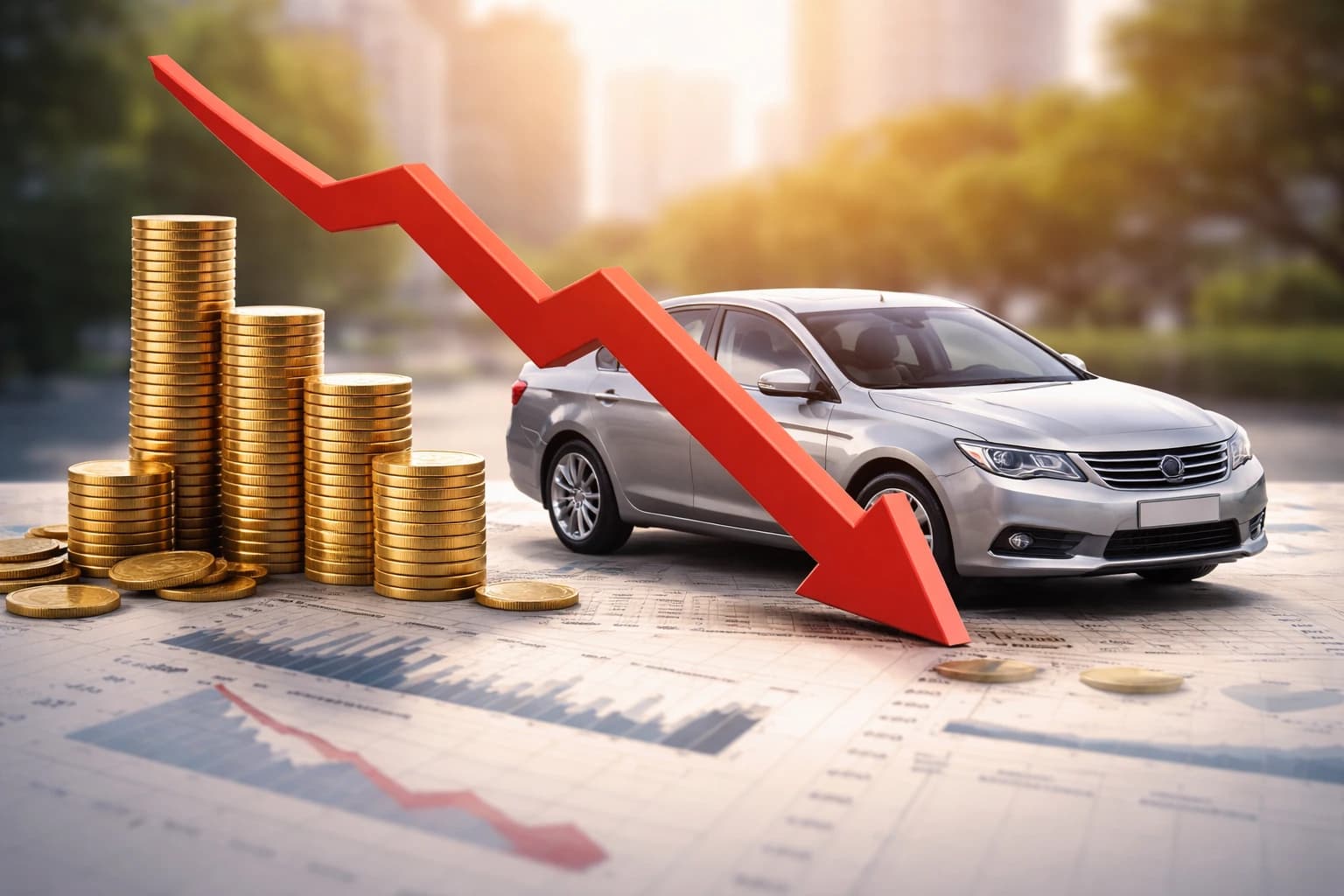
The global automotive market is experiencing a historic shake-up in 2026. The post-pandemic inventory shortages are long gone, replaced by a massive influx of affordable, high-tech EVs and aggressive dealer incentives on new internal combustion models. The used car bubble, which artificially inflated the value of aging vehicles for years, is finally bursting. Today, holding onto a used car is no longer a safe bet; it's a rapidly depreciating liability that is silently eating away at your net worth and financial flexibility.
Looking back, 2025 was the clear turning point. When supply chains fully normalized and next-gen mobility platforms hit the mainstream, the perceived value of older, less efficient vehicles plummeted overnight. Now, as we navigate 2026, the window to liquidate your depreciating asset at a premium is closing fast. For owners in high-turnover markets from Florida's coastal hubs to Colombia's urban centers, understanding this timeline is the absolute key to escaping a devastating 30 porciento drop in residual value before the year ends.
- Used car inventory on dealership lots has expanded by a staggering 45 porciento globally, heavily shifting the leverage from sellers to buyers.
- Average transaction prices for pre-owned internal combustion vehicles have dropped by 12 porciento in the first quarter of 2026 alone.
- Experts predict that models manufactured between 2018 and 2023 will lose an additional 30 porciento of their current retail value by the end of the year.
- Trade-in incentives for upgrading to 2026 smart vehicles have reached all-time highs, eliminating the urgency for buyers to shop the second-hand market.
1.The Inventory Avalanche: Supply Outpaces Demand
The technical analysis of today's auto lots reveals a stark reality: the scarcity that defined the early decade is completely extinct. Mega-factories are currently operating at maximum capacity, flooding the market with technologically superior 2026 models. As fleet operators and rental companies aggressively cycle out their older vehicles to upgrade, an unprecedented avalanche of used cars is saturating secondary markets, drastically suppressing the baseline valuation parameters of your personal vehicle.
This supply-demand inversion is destroying the equity of unaware owners. In the words of a leading automotive valuation analyst: "The market in 2026 is brutally efficient; the moment a new generation of software-defined vehicles scales, legacy inventory becomes dead weight, forcing a rapid 30 porciento price correction to stimulate movement." Selling now is about beating this inevitable mathematical gravity.
Massive off-lease returns are swelling dealership lots with well-maintained, competitively priced alternatives to private sales.
Aggressive manufacturer financing makes buying new far more attractive than financing a used asset with higher interest rates.
The cost of replacement parts for aging internal combustion engines has outpaced inflation, deterring potential second-hand buyers.
Do not wait for the traditional 'spring selling season.' In a deflationary asset market, every single week you delay listing your vehicle costs you hundreds of dollars in lost equity; liquidate immediately while wholesale buyers are still offering cash.
2.The Tech Obsolescence Cliff
The cars of 2026 are not just vehicles; they are rolling supercomputers. The widespread adoption of predictive co-pilots and advanced AI-driven diagnostics has fundamentally altered consumer expectations. A car built in 2021 without over-the-air (OTA) updates and autonomous safety features is now viewed by buyers as analog machinery. This sudden technological obsolescence is the primary driver behind the steep depreciation curves we are witnessing today.
Buyers are simply refusing to pay a premium for analog machinery. In the words of an automotive market analyst: "We have reached the tipping point where silicon is valued more than steel; a used car that lacks native smart-city integration faces a steep 30 porciento penalty on the open market because it cannot interface with the modern urban grid."
Vehicles without Level 3 autonomy features are sitting on the market 40 porciento longer than their tech-enabled counterparts.
Insurers are charging higher premiums for older cars that lack modern predictive collision avoidance systems.
The rapid expansion of high-speed charging networks makes legacy combustion engines increasingly inconvenient for daily commuting.
If your car features outdated infotainment tech, strategically highlight its mechanical reliability and low insurance costs in your listing; pivot the buyer's focus from missing technology to proven durability.
3.Institutional Buyers Are Pulling Back
For the past five years, digital auto retailers and corporate buying algorithms provided a safety net for sellers, offering inflated cash prices just to secure inventory. That era is definitively over. In 2026, these institutional buyers are facing massive inventory write-downs and have aggressively tightened their purchasing parameters. The algorithms that once overpaid for your sedan are now meticulously programmed to protect corporate margins.
The disappearance of easy corporate cash is forcing sellers back into the volatile private market. In the words of an institutional fleet analyst: "The algorithms have flipped from accumulation to preservation; corporate buyers are currently forecasting a sharp downturn, actively reducing acquisition bids by up to 30 porciento to shield themselves from the impending collapse."
Major online car-buying platforms have reduced their initial cash offers by an average of 15 porciento over the last six months.
Strict algorithmic penalties are now applied to any vehicle with even a minor accident history on its digital report.
Dealerships are prioritizing high-margin hybrid trade-ins over standard gasoline models.
Do not accept the first automated online offer. Secure quotes from at least three different digital platforms and use them to negotiate a hard cash trade-in value with a local dealer who desperately needs your specific model.
4.Timing the Exit: How to Maximize Your Return
Navigating a collapsing market requires precision and psychological detachment. Your vehicle is a depreciating liability, not a family heirloom. By acting before the broader public realizes the depth of the 2026 correction, you can still extract a premium from late-adopters or buyers who are temporarily priced out of the new car market. Speed of execution is your only defense.
The window for top-dollar exits is measured in days, not months. In the words of a financial mobility analyst: "The smartest investors in 2026 are liquidating their depreciating transportation assets right now, shifting that trapped equity into appreciating investments before the final 30 porciento market haircut becomes the new baseline."
Thorough professional detailing can artificially boost a private buyer's perceived value of the car by up to 10 porciento.
Providing a comprehensive digital service history drastically reduces the buyer's negotiation leverage.
Pricing your vehicle just 2 porciento below the algorithmic market average guarantees a bidding war in a stagnant market.
Sell the car completely stock. Remove any aftermarket modifications; personalization narrows your buyer pool and almost never yields a positive return on investment in a buyer's market.
Conclusion
The 2026 automotive landscape is unforgiving to those who hold onto the past. This irreversible leap into the era of software-defined, hyper-efficient mobility means that legacy vehicles will never again see the inflated valuations of yesteryear. Whether navigating the high-tech corridors of Florida or adapting to the modernizing transit hubs of Colombia, smart owners recognize that the current market collapse is not a panic, but a permanent recalibration. Selling your used car today is the ultimate defensive maneuver, ensuring you save your capital from a devastating 30 porciento evaporation and position yourself strongly for the future of transportation.
Etiquetas
Fuentes consultadas
- Automotive Value Index. (2025). The Turning Point: Algorithmic Pricing and the Used Car Bubble.
- Florida Auto Economics Review. (2026). Dealership Inventory Avalanche and Its Impact on Secondary Markets.
- Global Mobility Institute. (2026). Tech Obsolescence: Why Legacy Vehicles Are Losing 30 porciento of Their Value.
- Institute of Vehicle Resale. (2026). Defensive Asset Liquidation: Timing the 2026 Auto Market Collapse.