Equipo Inmoba – March 17, 2026
In 2026, the smartest car purchase is rarely the one with the most attractive sticker price. The real question is whether a new car or a used car leaves you in a better position after financing, depreciation, insurance, repairs, and resale timing all hit at once.
That is why this decision deserves a structured comparison instead of a quick reaction to the monthly payment. A lower upfront price can still become the more expensive choice over time, while a brand-new vehicle can sometimes make more sense than buyers expect if financing, warranty protection, and long-term ownership line up well.
The variables that actually decide this
- 1. Total loan cost, not just monthly payment.
- 2. Depreciation timing during your planned ownership window.
- 3. Warranty coverage versus repair exposure.
- 4. Insurance, fuel, fees, and routine ownership costs.
- 5. Resale flexibility based on how long you expect to keep the vehicle.
1.Sticker Price vs. Total Loan Cost
A new vehicle usually starts with a higher purchase price, while a used vehicle often looks easier to afford at first glance. But the Consumer Financial Protection Bureau makes a crucial point: the true cost of an auto loan includes APR, taxes, fees, optional add-ons, insurance, and maintenance, not just the payment shown in an ad.
That is where many buyers get trapped. A longer term can make a payment look comfortable while quietly increasing the total amount repaid. The same CFPB guidance on comparing auto loan offers shows exactly why loan length changes the total interest you pay, even when the monthly number looks more attractive.
Ask for the full loan breakdown before deciding: amount financed, APR, term length, monthly payment, total interest, taxes, fees, and every optional product added to the deal.
Fast reality check: a lower monthly payment can still mean a more expensive car decision if the loan is stretched too long.
2.Depreciation: Where New Cars Lose Fast and Used Cars Sometimes Win
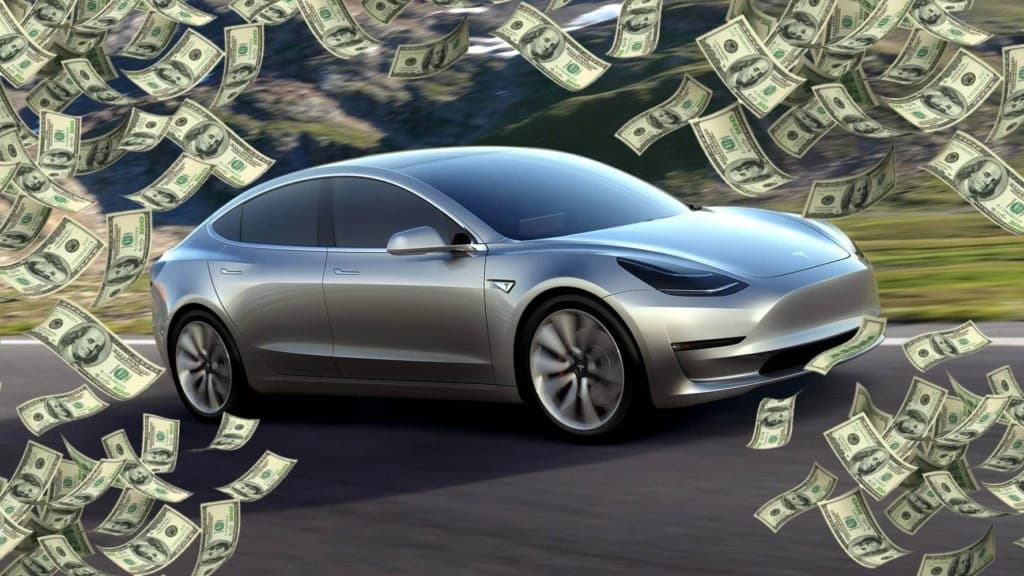
Depreciation is usually the biggest hidden cost on a new car. The first owner absorbs the earliest and often sharpest value decline, which matters a lot if you plan to sell or trade within just a few years. That is one of the strongest reasons lightly used vehicles can make more financial sense.
A used car may start with fewer headline losses because part of that early value drop has already happened. But this only works in your favor if you compare equivalent trims, mileage, condition, and ownership history. Mixing a base new model against a higher-trim used one is how buyers convince themselves they are saving money when they are really changing the comparison.
Estimate the vehicle’s likely resale value when you expect to exit, then compare that against your all-in purchase and financing cost. That is a much more honest measure of what the car really costs you.
How to compare depreciation without fooling yourself
- 1. Compare equivalent trims and equipment, not loosely similar models.
- 2. Use the same expected ownership timeline in every scenario.
- 3. Separate market excitement from what you could realistically sell the car for later.
Useful rule: once the comparison baseline changes, the conclusion usually becomes less trustworthy.
3.Warranty Coverage, Repair Risk, and the Used-Car Disclosure Trap. Image: Consumera
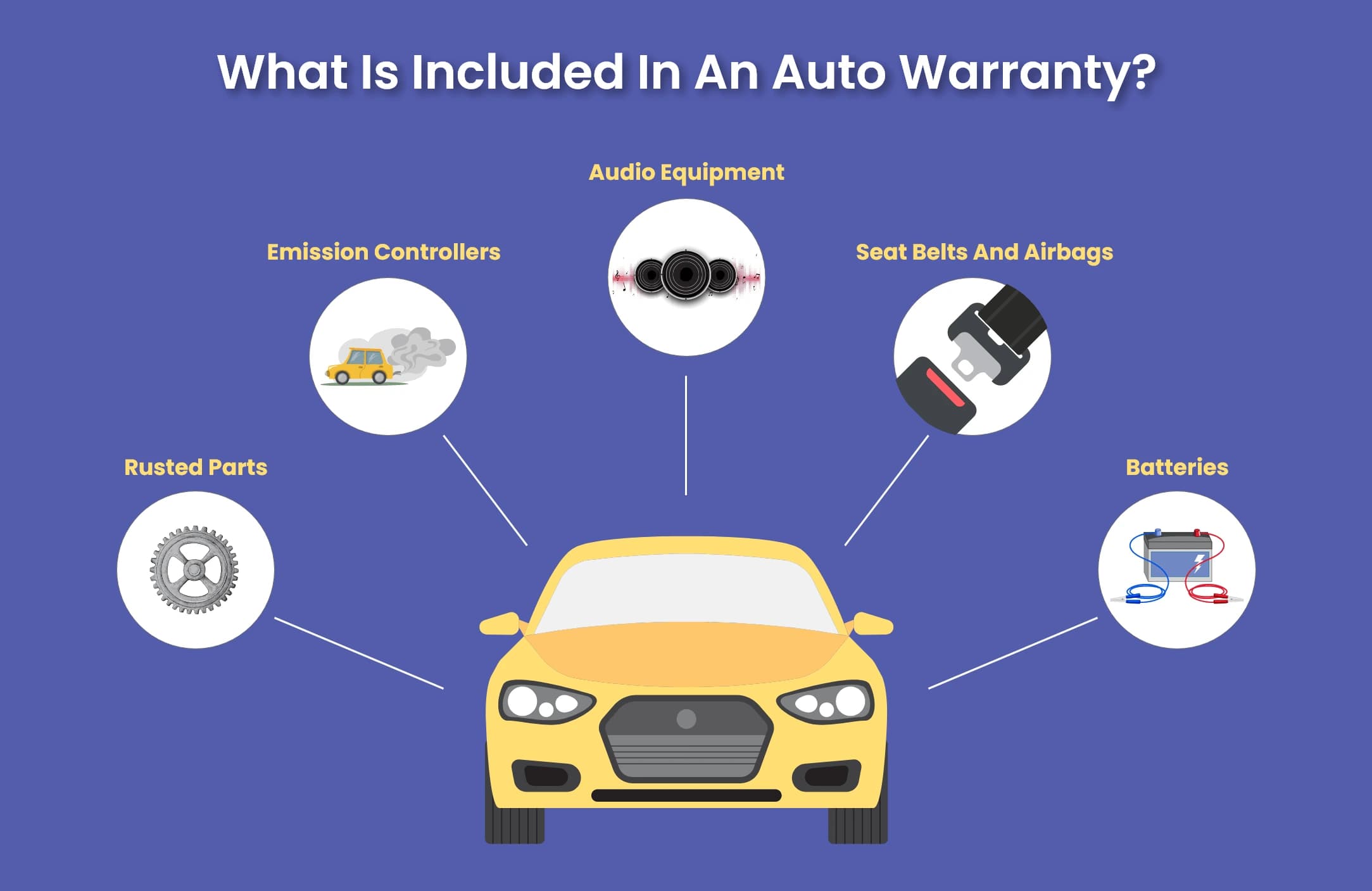
A new vehicle usually gives you the strongest protection against early repair costs because it comes with full factory warranty coverage. That makes budgeting more predictable in the first years and lowers the chance of absorbing a major repair right after purchase.
With a used vehicle, that risk changes. The FTC used-car guidance and the official Buyers Guide make clear why buyers should check whether the vehicle is being sold as is, whether any warranty still applies, and whether a service contract is optional and costs extra. A used car can be the better financial move, but only if you understand what protection you are actually getting in writing.
Before you buy used, ask for the Buyers Guide, warranty terms, service-contract price, deductible, exclusions, and whether coverage transfers to you automatically.
Where buyers get hurt: a lower used-car price can disappear quickly if the vehicle comes with limited protection and surprise repairs hit early.
4.Insurance, Fuel, and Recurring Ownership Costs
A car that looks affordable at signing can still become expensive to own. The CFPB notes that insurance and ongoing maintenance are part of the true cost equation, and newer financed vehicles may require broader coverage depending on lender terms and vehicle value.
Fuel cost matters too, especially if you drive a lot. Tools from FuelEconomy.gov help estimate real operating cost based on mileage and efficiency. When buyers ignore fuel, registration, taxes, tires, and scheduled maintenance, they often compare the wrong number and think they found savings that do not really exist.
Get insurance quotes for both vehicles before you commit, and estimate yearly fuel cost using your own realistic driving distance rather than the dealer’s generic assumptions.
Annual cost checklist
- 1. Insurance premium under the exact coverage you will carry.
- 2. Fuel or electricity cost based on your expected mileage.
- 3. Routine maintenance from the manufacturer schedule.
- 4. Registration, taxes, and local ownership fees.
Healthy comparison: this decision only gets better when both options are measured against the same yearly cost baseline.
5.Financing Transparency and Consumer Protections

A great deal can turn bad in the finance office. CFPB auto-loan resources explain why buyers should review APR, total amount financed, term length, add-ons, and optional products before signing. Optional warranties, GAP products, and service plans should never be treated as automatic simply because they are presented that way.
Used-car buyers should be just as careful with dealer paperwork. The FTC requires a Buyers Guide on used cars sold by dealers, and that document is one of the clearest ways to understand whether the vehicle is offered with a warranty or as is. If a fee or product is not clearly explained, that is already a warning sign.
Request every charge in writing and compare the base vehicle price against the financed total before agreeing to anything.
Practical safeguard: never sign a contract with blank spaces, unexplained fees, or terms that do not match what you were told earlier.
6.Ownership Timeline, Recall Checks, and Exit Strategy
How long you plan to keep the car is one of the most powerful decision filters. If you intend to drive it for many years, the early depreciation hit on a new vehicle may matter less over time. If you expect to exit sooner, a carefully chosen used vehicle can reduce how much value you lose during ownership.
Before buying used, add one more step that too many people skip: check for open recalls through NHTSA Recalls. You can also use the NHTSA VIN Decoder to confirm vehicle details. Safety issues and unresolved recalls directly affect confidence, ownership risk, and resale potential.
Match your financing to your ownership timeline, and never take a loan that lasts significantly longer than you realistically expect to keep the vehicle.
Quick verdict before you decide
The better financial choice in 2026 depends less on whether the car is new or used and more on whether your loan, timeline, repair exposure, and operating costs match the purchase. A disciplined comparison of total ownership cost gives a far more reliable answer than sticker price alone.
Best shortcut: if you compare only the payment, you will probably miss the real winner.
7.The Simple Rule That Usually Makes the Decision Easier
Decision shortcut: compare a same-baseline ownership scenario for both options before you let emotion pick for you.
When each option usually makes more sense
- 1. New often makes more sense when you qualify for strong financing, plan to keep the car longer, and value predictable warranty coverage.
- 2. Used often makes more sense when you buy carefully, avoid weak financing, and want to reduce the impact of early depreciation.
- 3. Either option can be smart if you compare total cost, real use value, support, and exit potential using the exact same baseline.
This is where strong buyers separate themselves from impulsive ones. They do not ask which car looks cheaper today. They ask which car leaves them in a better position after financing, ownership costs, risk, and resale all finish playing out.

Use one comparison sheet, one ownership horizon, and one cost structure for both options. Keep trim level, expected mileage, financing assumptions, insurance scope, and resale timing as close as possible. That is how you stop a flashy deal from beating a better financial choice.
Wait 24 hours before signing, rerun the numbers once, and ask yourself one question: which option still looks better after interest, fuel, insurance, repairs, and resale are all included?
Conclusion
The car that saves you more in 2026 is the one that survives a full-cost comparison. For some buyers, that will be a new vehicle with strong financing and long-term ownership. For others, it will be a used vehicle that has already absorbed early depreciation without exposing them to major repair risk. The smartest move is not choosing new or used by instinct. It is choosing the option that wins on total cost, risk, and real ownership fit.
Etiquetas
Fuentes consultadas
- Consumer Financial Protection Bureau. (2024). What should I know before I shop for a car or auto loan?
- Consumer Financial Protection Bureau. (2024). How do I compare auto loan offers?
- Federal Trade Commission. (n.d.). Buying a used car from a dealer.
- Federal Trade Commission. (n.d.). Buyers Guide for used vehicles.
- FuelEconomy.gov. (n.d.). Fuel Savings Calculator.
- National Highway Traffic Safety Administration. (n.d.). Check for vehicle recalls.
- National Highway Traffic Safety Administration. (n.d.). VIN Decoder.